Cocoa, the primary ingredient in chocolate, is a significant commodity in the global agricultural market. For investors seeking to diversify their portfolios with agricultural commodities, cocoa presents intriguing opportunities. This article explores the potential of investing in cocoa, examining current market trends, opportunities, and factors influencing invest in cocoa (invertir en cacao)
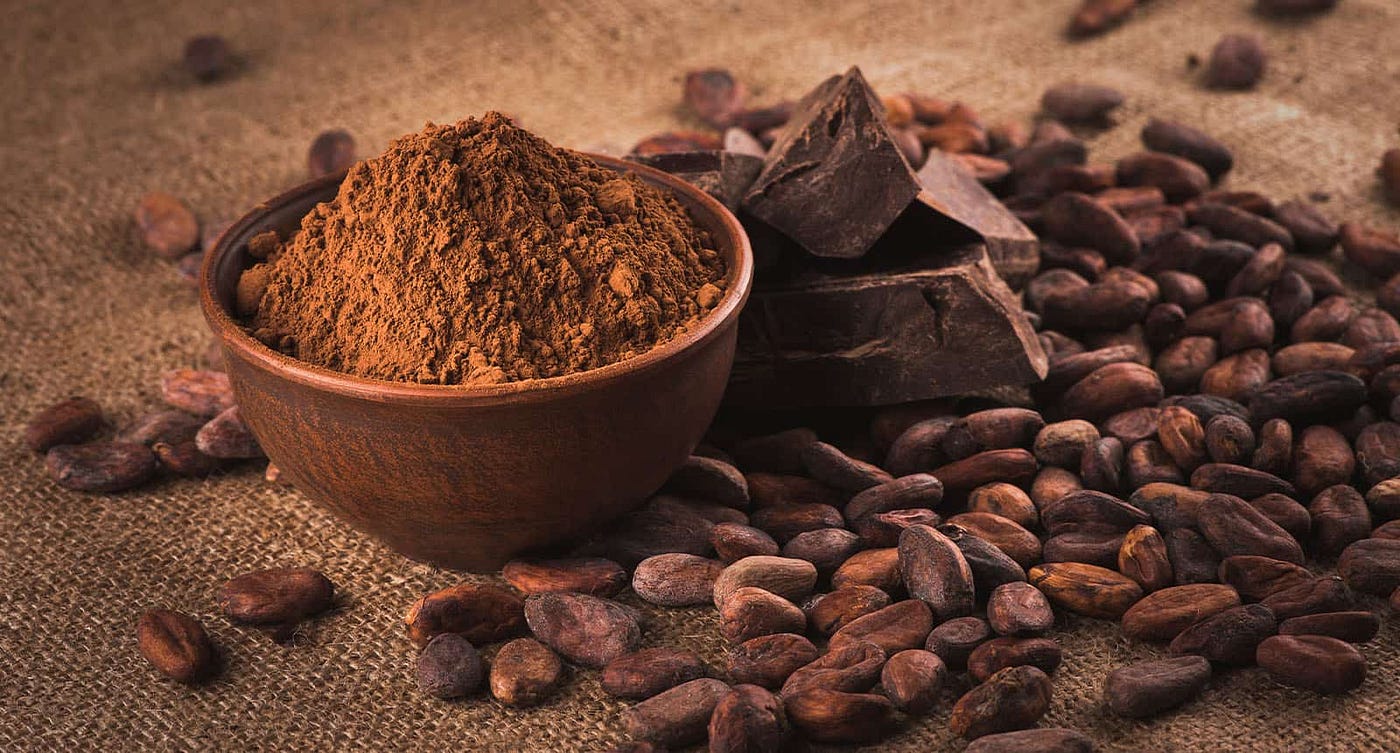
Cocoa Market Overview
The cocoa market is driven by demand from the chocolate industry, which accounts for the vast majority of cocoa consumption. The global cocoa market was valued at approximately $13 billion in 2021 and is expected to grow significantly due to rising demand for chocolate products, particularly in emerging markets.
West Africa is the leading cocoa-producing region, with Côte d'Ivoire and Ghana together accounting for about 60% of global cocoa production. Other notable producers include Indonesia, Nigeria, and Ecuador. Cocoa prices are subject to fluctuations influenced by various factors, including weather conditions, political stability, and global demand.
Opportunities in Cocoa Investment
- Rising Global Demand for Chocolate
The increasing global consumption of chocolate, driven by growing middle-class populations in emerging markets, presents a substantial opportunity for cocoa investors. Countries like China and India are witnessing a surge in chocolate consumption, which is expected to boost demand for cocoa beans. Investing in cocoa could, therefore, provide significant returns as demand continues to rise.
- Sustainable and Ethical Cocoa
Consumer preferences are shifting towards sustainable and ethically sourced products. This trend is encouraging cocoa producers to adopt sustainable farming practices, which can attract premium prices. Investing in companies that prioritize sustainable cocoa production or funds dedicated to ethical agricultural practices can be a strategic move for investors looking to capitalize on this trend.
- Technological Advancements in Cocoa Farming
Innovations in agricultural technology, such as improved farming techniques, pest management, and genetically superior cocoa varieties, are enhancing cocoa yields and quality. Investing in companies at the forefront of these advancements can offer attractive returns. Additionally, supporting tech-driven initiatives in the cocoa sector can contribute to long-term sustainability and profitability.
- Diversification through Commodity Investment
For investors seeking diversification, cocoa provides an alternative to traditional asset classes such as stocks and bonds. Commodities like cocoa often have low correlation with other asset classes, which can help mitigate portfolio risk. Investing in cocoa futures or exchange-traded funds (ETFs) focused on agricultural commodities can be an effective way to gain exposure to the cocoa market.
Market Trends Influencing Cocoa Investment
- Climate Change Impact
Cocoa production is highly sensitive to climate conditions. Changes in temperature, rainfall patterns, and extreme weather events can significantly impact cocoa yields. Climate change poses both risks and opportunities for cocoa investors. While adverse weather conditions can lead to supply shortages and price spikes, investing in climate-resilient farming practices and technologies can mitigate these risks and enhance long-term returns.
- Supply Chain Challenges
The cocoa supply chain is complex and involves multiple stakeholders, from smallholder farmers to large multinational companies. Disruptions in the supply chain, such as political instability in producing countries or logistical issues, can affect cocoa availability and prices. Understanding and managing these risks is crucial for investors. Investing in companies with robust supply chain management practices can provide a competitive edge.
- Regulatory and Policy Changes
Government policies and regulations in cocoa-producing countries can impact production and export dynamics. For example, initiatives aimed at improving farmer livelihoods, reducing child labor, and promoting sustainable farming practices can influence cocoa supply and prices. Staying informed about regulatory changes and supporting compliance initiatives can help investors navigate potential risks and seize opportunities.
- Price Volatility
Cocoa prices are subject to significant volatility due to factors such as weather conditions, geopolitical events, and global demand fluctuations. Investors need to be prepared for price swings and consider strategies to manage volatility. Diversifying investments across different commodities and employing risk management techniques can help mitigate the impact of price fluctuations.
How to Invest in Cocoa
Investing in cocoa can be done through various channels:
Futures Contracts: Cocoa futures are traded on commodity exchanges like the Intercontinental Exchange (ICE). Futures contracts allow investors to speculate on the future price of cocoa.
ETFs and Mutual Funds: Several ETFs and mutual funds provide exposure to agricultural commodities, including cocoa. These funds can offer diversified exposure to the cocoa market.
Agribusiness Stocks: Investing in companies involved in cocoa production, processing, or chocolate manufacturing can provide indirect exposure to the cocoa market.
Direct Investment in Cocoa Farms: For investors with significant capital, direct investment in cocoa farms or plantations can be an option. This approach requires a deep understanding of the agricultural sector and local market conditions.
Conclusion
Investing in cocoa presents numerous opportunities for investors looking to diversify their portfolios with agricultural commodities. Rising global demand for chocolate, sustainable farming practices, technological advancements, and diversification benefits make cocoa an attractive investment option. However, it is essential to consider market trends, including climate change, supply chain challenges, regulatory changes, and price volatility. By staying informed and adopting a strategic approach, investors can capitalize on the potential of the cocoa market and achieve long-term returns.


 icons at the top right corner of the subsection.